Upcoming ANPI Events
The organizations of ANPI work together to promote Native American cultures and histories, host events, and support Native peoples. We host and collaborate on multiple events throughout the year.
Your Custom Text Here
The organizations of ANPI work together to promote Native American cultures and histories, host events, and support Native peoples. We host and collaborate on multiple events throughout the year.
ANPI supports sharing Native American related events from other community organizations and institutions. Please check out what others are doing in our community:
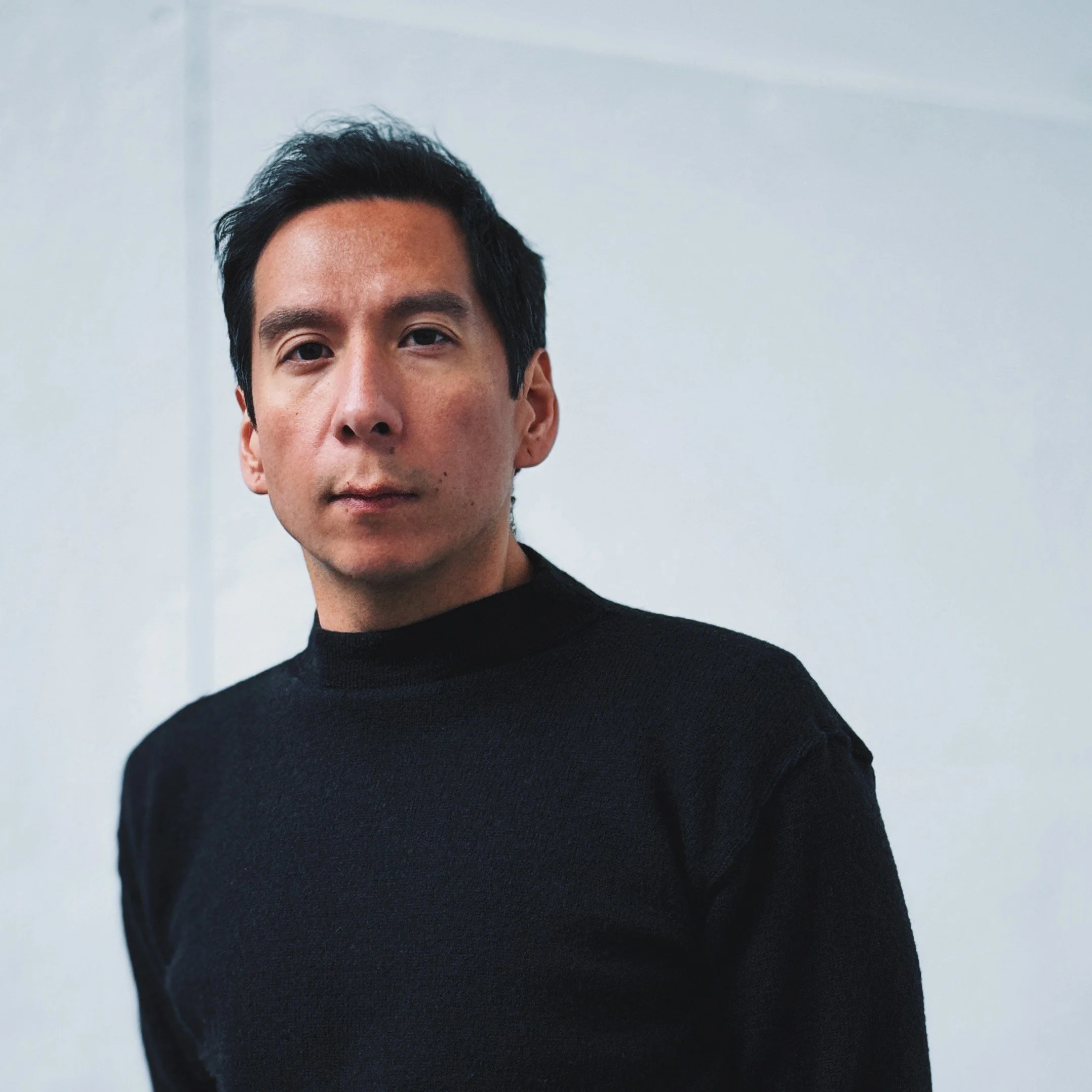
October 1-November 17, 2026
Location: Webster University- Kooyumjian Gallery
Sky Hopinka (Ho-Chunk Nation/Pechanga Band of Luiseño Indians) was born and raised in Ferndale, Washington and spent a number of years in California, Oregon and Wisconsin. In Portland he studied and taught chinuk wawa, a language indigenous to the Lower Columbia River Basin. His video, photo and text work centers around personal positions of Indigenous homeland and landscape, designs of language as containers of culture expressed through personal, documentary and nonfiction forms of media. His work has played at various festivals including Sundance, Toronto International Film Festival and the New York Film Festival. He was a Radcliffe Institute for Advanced Study at Harvard University fellow, Sundance Art of Nonfiction Fellow, Art Matters Fellow, Guggenheim Fellow, Forge Project Fellow and MacArther Fellow. He received the Alpert Award for Film/Video and the Infinity Award in Art from the International Center of Photography.
Celebrate Native American Heritage Month at the Missouri Botanical Garden with performances, demonstrations, and talks honoring Indigenous knowledge and culture.
This year's event welcomes Indigenous artisans from across the country, demonstrating traditional craft techniques including:
Handmade stone beads
Prints and paintings
Silver and turquoise jewelry
Pottery
Handmade flutes
Flint-knapped items
Medicine bags
Herbal products and books
Music CDs
Enjoy daily drawings for free books.
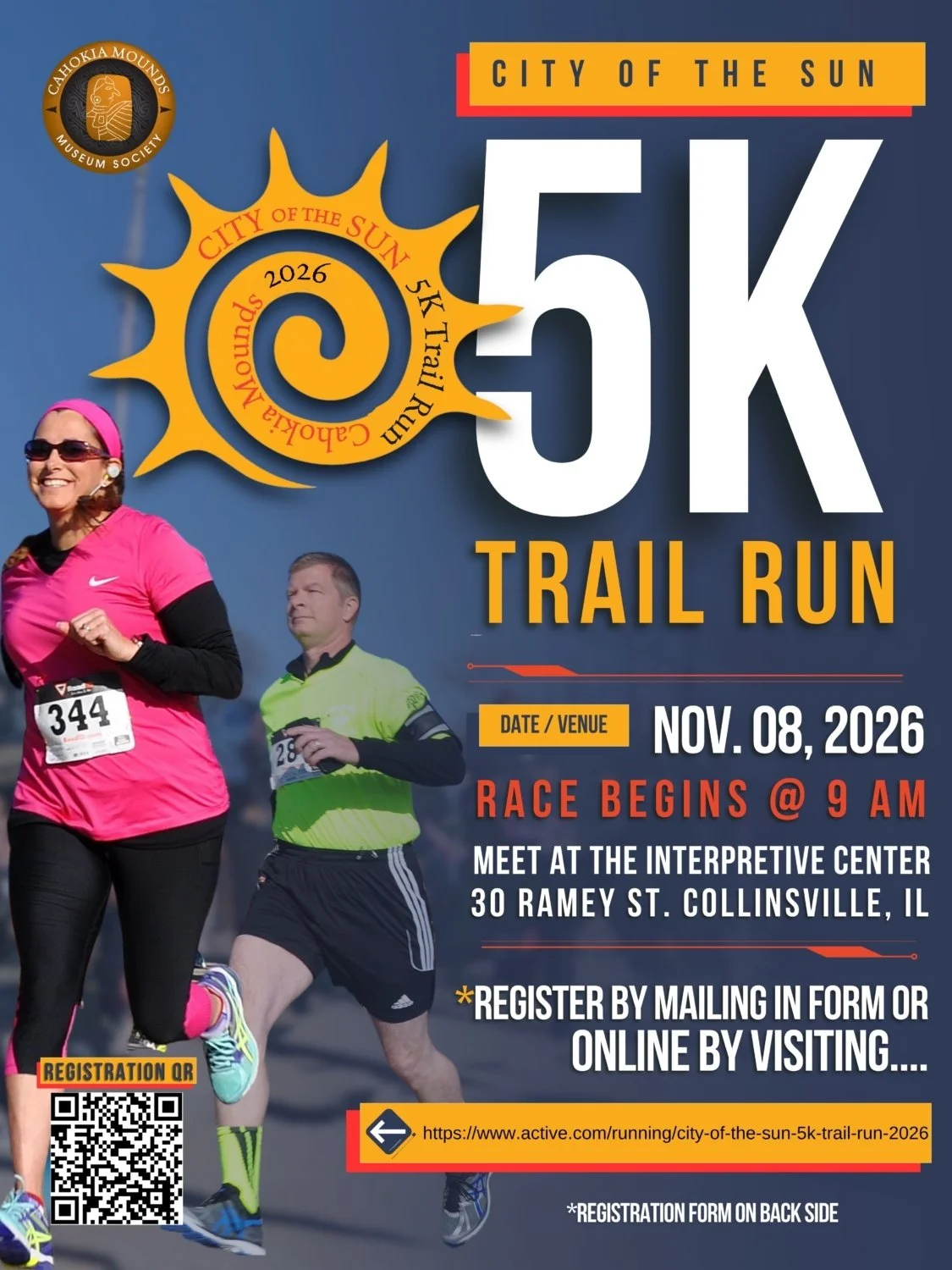
*Click for more details
Address: 1301 Olive Street, St. Louis, MO 63103
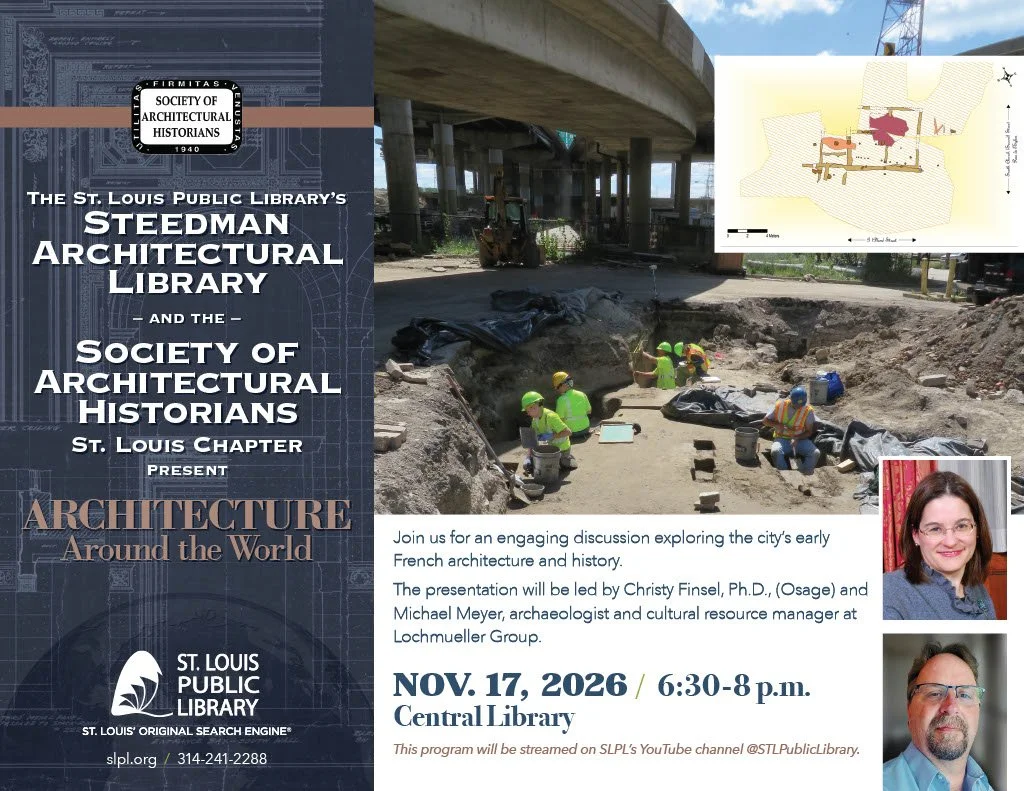
The November installment of the 2026 SAH STL/SLPL Steedman Library Lecture Series presents Christy Finsel, Ph.D. (Osage), Director, Oklahoma Native Assets Coalition, Inc. (ONAC), Co-coordinator, Osage in Missouri group, Kathryn M. Buder Center for American Indian Studies Faculty Associate at Washington University in St. Louis, and Michael Meyer, Archaeologist, Cultural Resource Manager at the Lochmueller Group, previously with National Park Service, Southeast Archaeological Center and the Missouri Department of Transportation’s Historic Preservation Section.
They will be giving a talk entitled, “What Archaeology Can Tell Us About St. Louis' Earliest French Buildings”.
The talk will take place in Central Library's Auditorium. It will also be livestreamed here:
https://www.youtube.com/watch?v=rjz-1yvHNyg
Series: Thursday Nights at the Museum | View all series dates
Location: Lee Auditorium and MacDermott Grand Hall | Museum
Date: Thursday, November 19, 2026
Time: Happy Hour 5:00PM-6:30PM, Program 6:30PM-8:00PM
What does it mean to build a new life while fighting to preserve culture, identity, and community? Following the passage of the Indian Relocation Act of 1956, as assimilationist policy that encouraged Native Americans to move away from reservations to urban areas, thousands of Native Americans were relocated to cities across the United States, including St. Louis. Promoted by the federal government as a path to self-sufficiency and economic opportunity, the policy disrupted communities and contributed to the erosion of tribal connections for many Native people. Historian, elder, and Missouri National Trail of Tears Association board member Galen Gritts (Cherokee) will provide historical context for the relocation era, followed by a panel discussion exploring the experiences of Native Americans who built lives in St. Louis during the mid- to late-20th century. Hear stories of resilience, cultural preservation, and community building in the face of displacement and erasure—and discover how those experiences continue to shape Native life in St. Louis today.
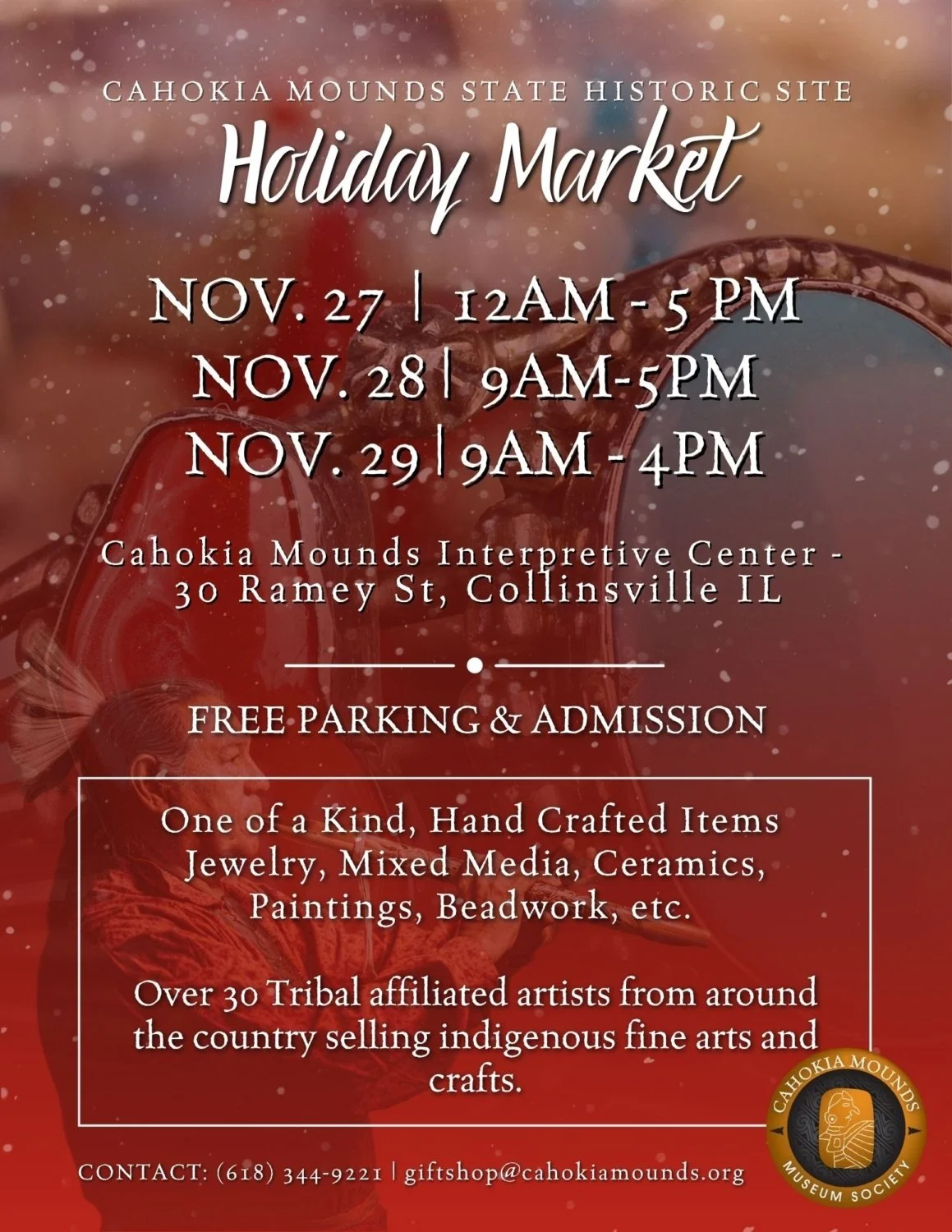
*Click flyer for more details